




Discovering Monet's Giverny Garden
Monet's Vision: The Garden as Canvas
When Claude Monet moved to Giverny, he didn’t just plant a garden; he created a living artwork. He saw his garden as a canvas, constantly changing with light and seasons. It was a revolutionary idea for its time.
Monet meticulously planned his plantings to ensure continuous color from spring to fall. He studied plant catalogs and talked to growers. His goal was to capture fleeting moments, much like in his paintings.
The garden is divided into two main parts: the Clos Normand, a riot of flowers, and the Water Garden, famous for its water lilies and Japanese bridge.
The Clos Normand: A Riot of Color
This is the part of the garden right next to Monet’s house. It’s bursting with flowers of every imaginable color. We found it to be a delightful explosion of life.
Instead of formal French garden styles, Monet preferred a more natural, abundant look. Plants spill over the paths, creating a sense of joyful chaos. It’s truly a feast for the eyes.
The Water Garden: An Impressionist Dream
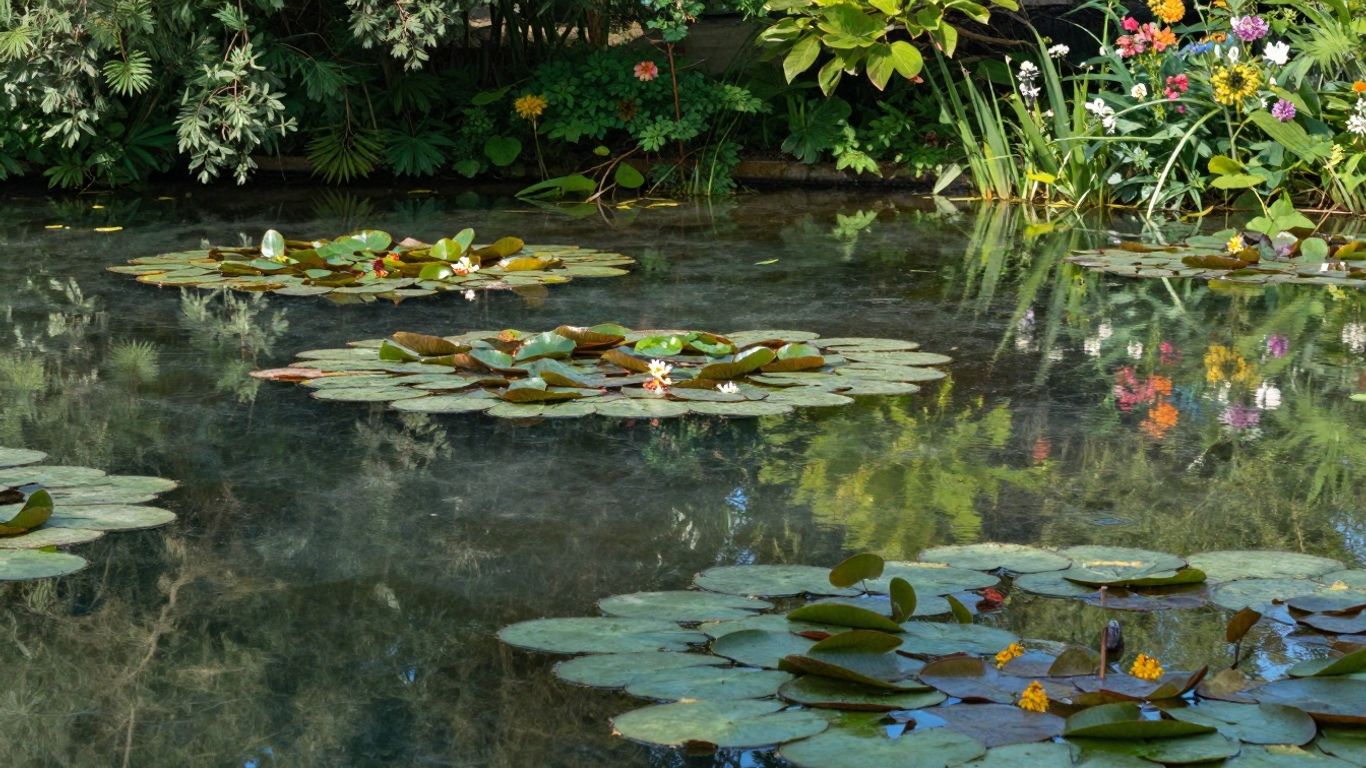
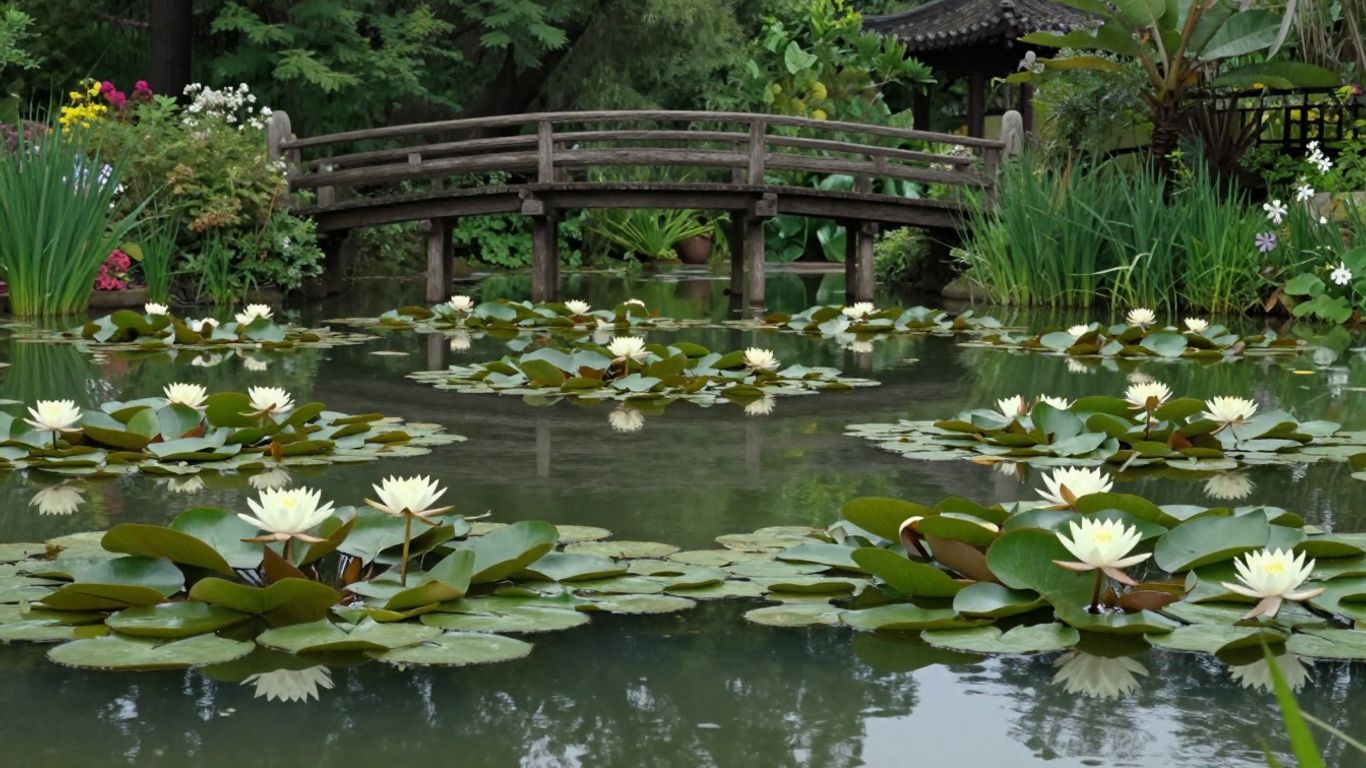
This section feels like stepping right into one of Monet’s famous paintings. The iconic green Japanese bridge arches over a pond filled with water lilies. It’s incredibly peaceful here.
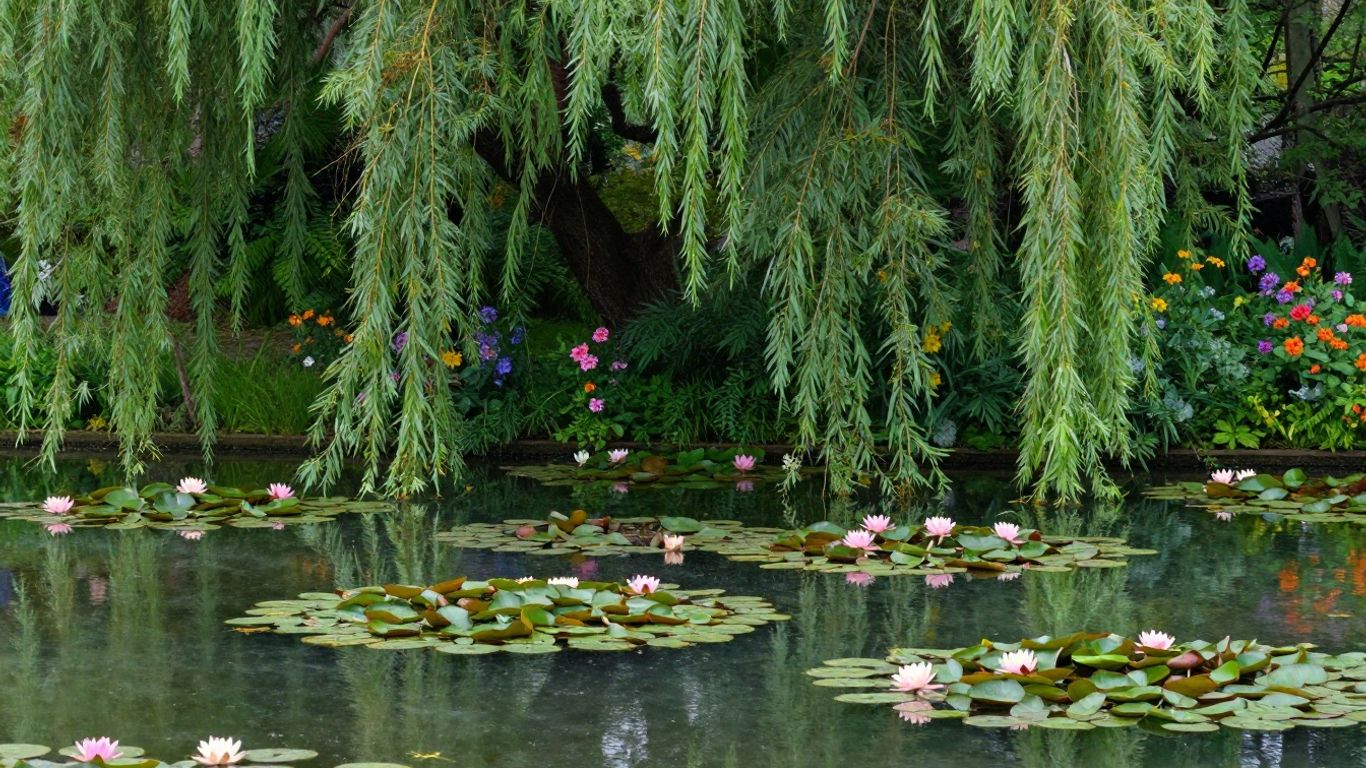
We loved watching the reflections on the water’s surface. The weeping willows add to the serene atmosphere. It’s easy to see why Monet painted this spot so often. You can find more details about planning your visit to these enchanting Monet gardens.
Planning Your Visit to Giverny
Getting ready for Giverny? We’ve got you covered with the practical stuff.
Best Times to Experience the Garden
We found that Giverny is open from late March through October. Honestly, it’s lovely the whole time. The gardeners do such a great job keeping things fresh and changing out the blooms. We think a sunny day in October is pretty special, though. You get fall colors and fewer crowds.
Getting to Giverny
Getting to Giverny is pretty straightforward. It’s about an hour’s drive from Paris if you take the A13 motorway. If you’re using public transport, you can catch a train from Paris Saint-Lazare to Vernon. From Vernon, a shuttle bus or a taxi will take you the rest of the way to Giverny. We recommend checking train schedules in advance. Book train tickets ahead of time if possible.
Tickets and Admission Information
It’s a good idea to get your tickets before you go. While not strictly required, pre-booked tickets can make your visit smoother. We suggest planning this about a month before the season starts. This helps avoid any last-minute rushes.
Remember to wear comfortable shoes! The garden paths can be a bit uneven, and you’ll be doing a lot of walking. Also, bring a hat and some water, especially if you’re visiting during the warmer months.
Capturing the Magic: Photography Tips
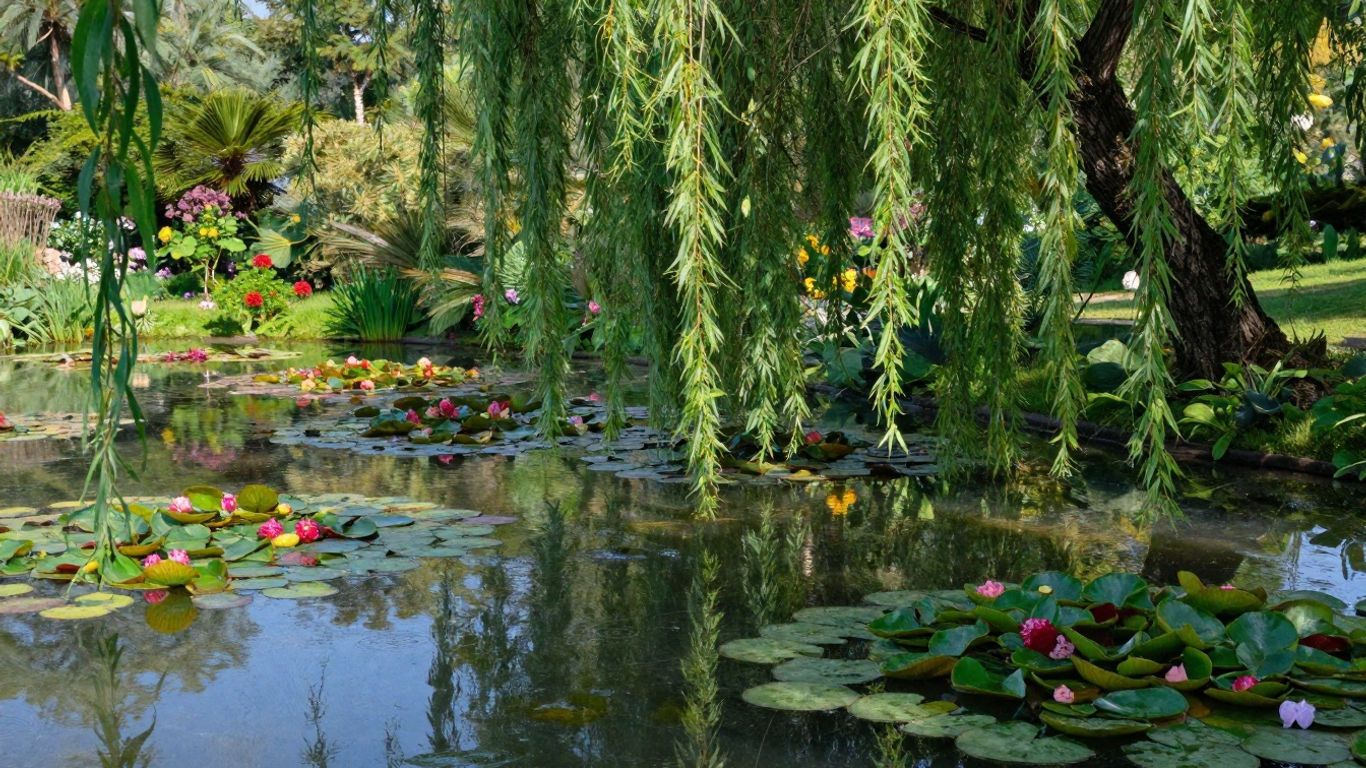
We all want to bring home amazing photos from Giverny, right? It’s a photographer’s paradise, but sometimes the sheer beauty can be overwhelming. Let’s talk about how we can get some truly special shots.
Embrace the Golden Hour
Try to be there right when the garden opens. The light is super soft and dreamy then, perfect for capturing reflections on the water. The early morning light really makes the water lilies glow. It’s also a lot less crowded, which helps a ton.
Finding Unique Angles
Don’t just stand in front of the Japanese bridge and snap away. We can get more interesting photos by looking for different viewpoints. Try shooting from under the wisteria or looking for reflections in the pond. Sometimes the best shots are the ones you have to work a little for.
Focusing on Details
Monet’s garden is packed with incredible details. Instead of just wide shots, let’s zoom in on some of the smaller wonders. Think about the intricate patterns on a dahlia or a water lily up close. These close-ups can tell their own story and show the garden’s texture. We can find inspiration for our own gardens from these horticultural details.
Remember to be respectful of the garden and other visitors. Stick to the paths and avoid using tripods, as they can block the narrow walkways. We want to capture the beauty without disturbing it.
Here are a few more things to keep in mind:
- Look for color combinations: Monet was a master of color. See how he paired different flowers together and try to capture those vibrant pairings.
- Play with light and shadow: The way the light filters through the leaves creates beautiful patterns. Look for those moments.
- Capture the movement: Whether it’s the gentle sway of flowers or the ripple on the water, try to convey a sense of life in your photos.
Getting to Giverny can be part of the adventure, and once you’re there, taking photos is a big part of the experience. We can plan our day trip from Paris to make the most of the light. Don’t forget to check out the essential tips for visiting to make your trip smooth.
Beyond the Garden: Exploring Giverny Village
While Monet’s garden is the main draw, the village of Giverny itself has a quiet charm we really enjoyed. It’s a place that feels steeped in art history, and we found it a nice change of pace after the vibrant colors of the garden.
The Museum of Impressionism
Just a short walk from Monet’s house, we found the Musée des Impressionnismes Giverny. It’s not just about Monet, though; it explores the broader movement and its impact. They often have interesting temporary exhibitions that give you a different perspective on Impressionism.
Artistic Legacies and Local Charm
This village was a magnet for artists, especially Americans, back in the day. You can still feel that artistic vibe as you wander the streets. We stopped for lunch at the Hôtel Baudy, a place where artists used to stay, and it felt like stepping back in time. It’s a lovely spot to soak in the local atmosphere.
A Peaceful Village Church
We stumbled upon the Église Sainte-Radegonde, the village church. It’s a very serene place, and in its cemetery, you can find the Monet family tomb. It’s a quiet corner that offers a moment of reflection away from the main tourist paths. We found it to be a surprisingly poignant stop during our exploration of Giverny village.
The village offers a gentle counterpoint to the intensity of the garden, allowing us to appreciate the broader artistic context and the simple beauty of rural French life.
Enhancing Your Giverny Experience
Exploring Monet's House
We can step inside Claude Monet’s actual home, which is part of the ticket. It’s preserved just as he left it, full of his personal things and art collections. You get to see where the artist lived and worked. It really helps us understand his life better.
Accessibility Considerations
When we plan our visit, we should think about the paths. The Clos Normand garden has some gravel areas that might be a bit tricky. The Water Garden has dirt paths and steps, so it’s not really set up for wheelchairs. We need to be aware of this.
We should check the garden’s layout beforehand if mobility is a concern. Some areas might be harder to get around than others.
Guided Tours and Audio Guides
We can rent audio guides to learn more as we walk around. Or, we could book a guided tour for a deeper dive. Some tours even offer early access, which sounds pretty cool. It’s a great way to get more out of our visit to Monet’s Garden.
Here’s a quick look at what’s available:
- Audio Guides: Available for rent on-site. They offer information about the gardens and Monet’s life.
- Small Group Tours: Often include transportation from Paris and a guide who shares insights.
- Private Tours: Can be arranged for a more personalized experience, sometimes with special access.
Thinking about a tour can really make the day more special. It’s like getting a behind-the-scenes look at Monet’s world. We might even consider a longer trip to see other amazing gardens in the area, like those at Fontainebleau Palace.
So, What's Next?
We hope this guide helps you plan your own trip to Monet’s amazing garden. It really is a special place, a bit like stepping into one of his paintings. We loved wandering through the flowers and seeing the water lilies, and honestly, you could spend hours just watching the light change. If you get the chance, definitely go. It’s more than just a garden; it’s a piece of art you can walk through. Maybe we’ll see you there sometime!
Frequently Asked Questions
When is the best time to visit Monet's Garden?
We think the best time to visit is when the flowers are in full bloom, usually from late spring to early autumn. If you want to avoid the biggest crowds, try to go on a weekday, maybe early in the morning or later in the afternoon. The gardens are officially open from April 1st to November 1st each year.
How do we get to Giverny?
Getting there is pretty straightforward! We usually take a train from Paris to Vernon, which takes about 50 minutes. From Vernon, there’s a shuttle bus or a taxi that will take us the rest of the way to Giverny village. If you prefer driving, it’s about an hour from Paris by car.
Can we go inside Monet's house?
Yes, absolutely! Your ticket usually gets you into both the gardens and the house. Inside, we can see Monet’s personal rooms and his amazing collection of Japanese art. It’s like stepping back in time!
Is the garden easy to walk around for everyone?
For the most part, yes, but we need to be aware of the paths. The Clos Normand, the flower garden, has some gravel paths that might be a little tricky. The Water Garden has some dirt paths and steps, so it’s not totally accessible for wheelchairs.
Are we allowed to take photos or sketch in the garden?
Taking photos is fine, and it’s a photographer’s paradise! We can also bring small sketchbooks. However, they don’t allow easels, probably to keep the paths clear. It’s always good to be mindful of other visitors while we’re capturing the beauty.
What should we bring with us?
We always pack comfortable shoes because the paths can be uneven. Don’t forget your camera, of course! A hat is a good idea for sunny days, and bringing a water bottle is smart, especially during warmer months. Sometimes we bring binoculars to get a closer look at the plants without disturbing anything.