


Discovering Van Gogh's Auvers-sur-Oise
A Village Steeped in Artistic History
Auvers-sur-Oise was already a favorite spot for artists before Vincent even arrived. The train made it easy for people from Paris to visit. They loved the fields and the river.
It was a place where Impressionists found their subjects. The village has a rich artistic past. We can still feel that creative energy today.
Van Gogh's Final Haven
Vincent came here in 1890, looking for some peace. He had been through a lot and needed a quiet place to paint. Dr. Gachet, a local doctor and art lover, was supposed to look after him.
He found inspiration in the village’s simple beauty. It became his final home, a place where he created a lot of art in a short time. You can explore this area on a walk that follows his steps in the footsteps of Van Gogh.
The Vexin Landscape's Inspiration
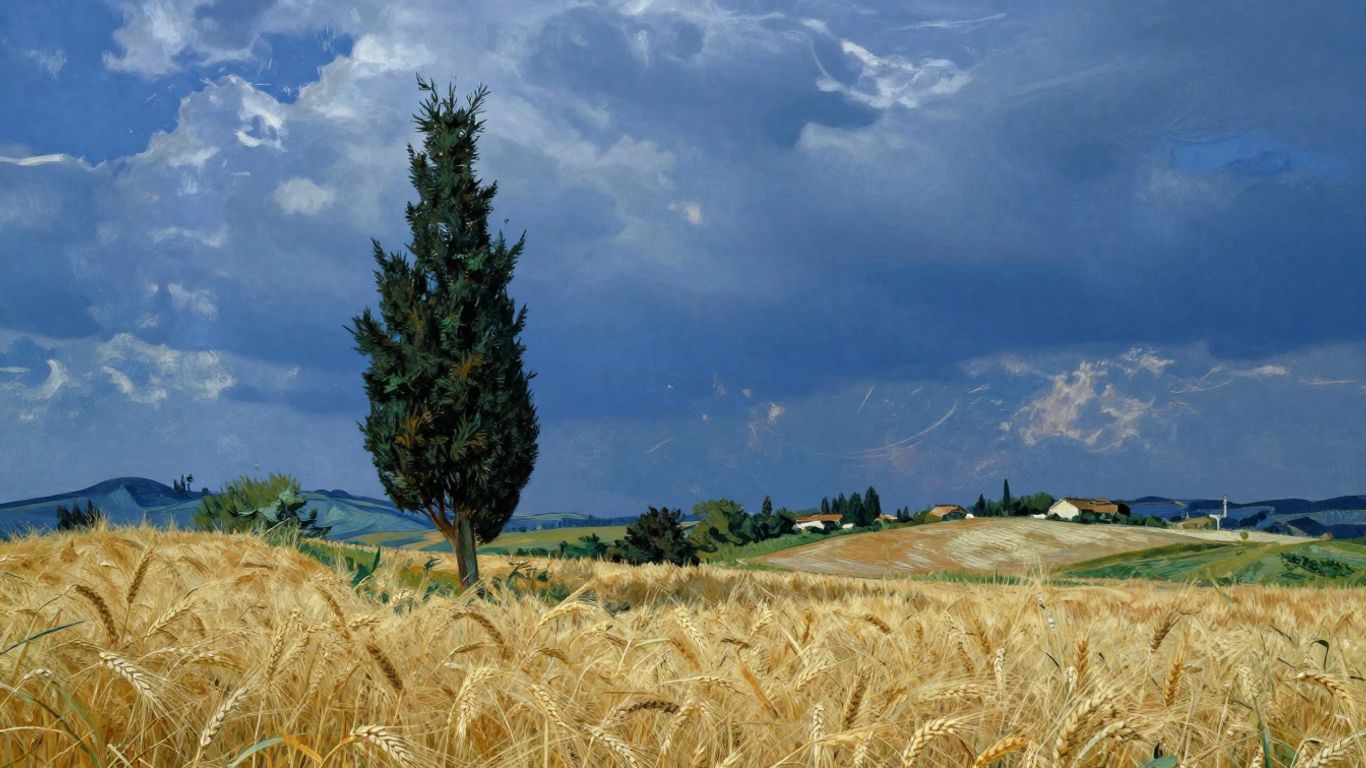
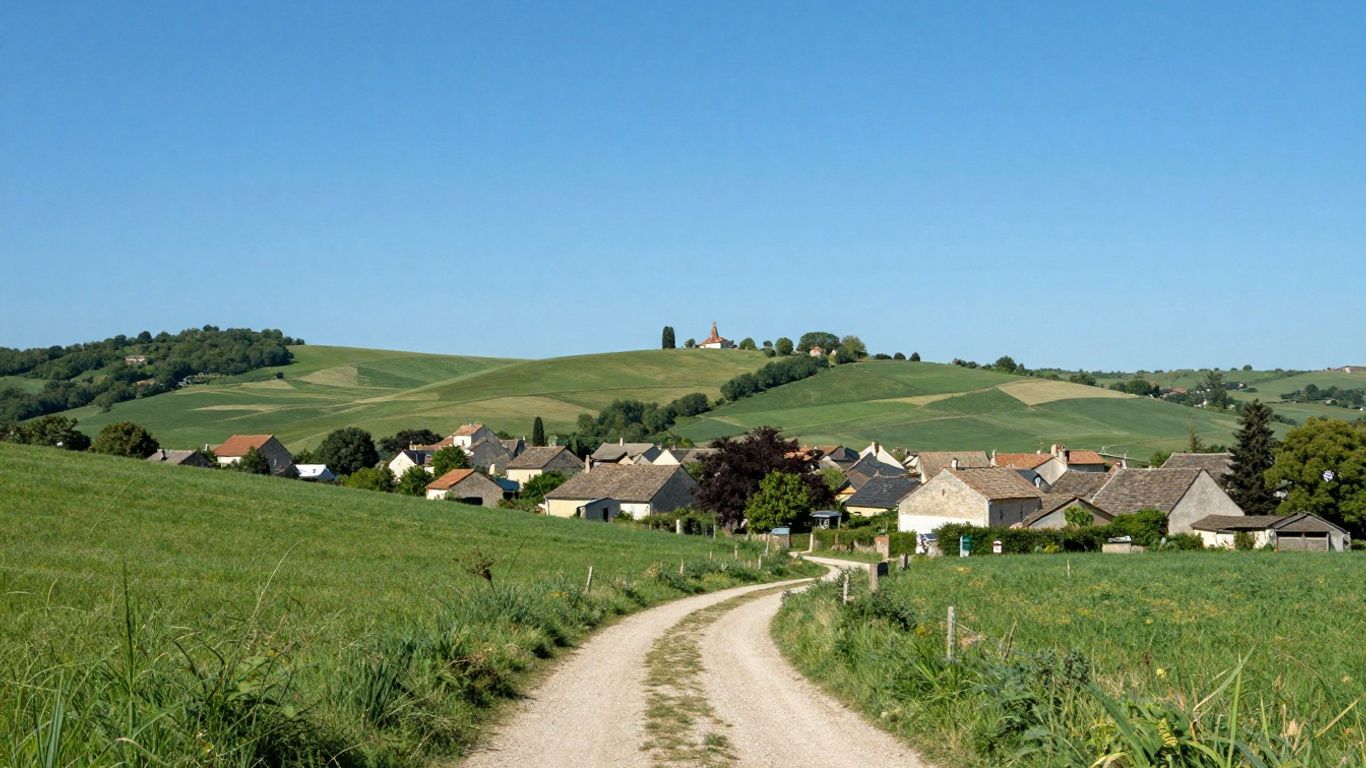
The countryside around Auvers, known as the Vexin, really spoke to Vincent. He was drawn to the rolling fields and the way the light hit the landscape. He wanted to capture it all.
This area offered him a fresh perspective. It’s amazing how much he painted in just a few months. We can take a train from Paris to see it for ourselves a 40-minute train journey.
The natural beauty here was a powerful draw for artists seeking to capture the essence of rural France.
Walking Through Van Gogh's Last Landscapes
The Wheatfields That Inspired Him
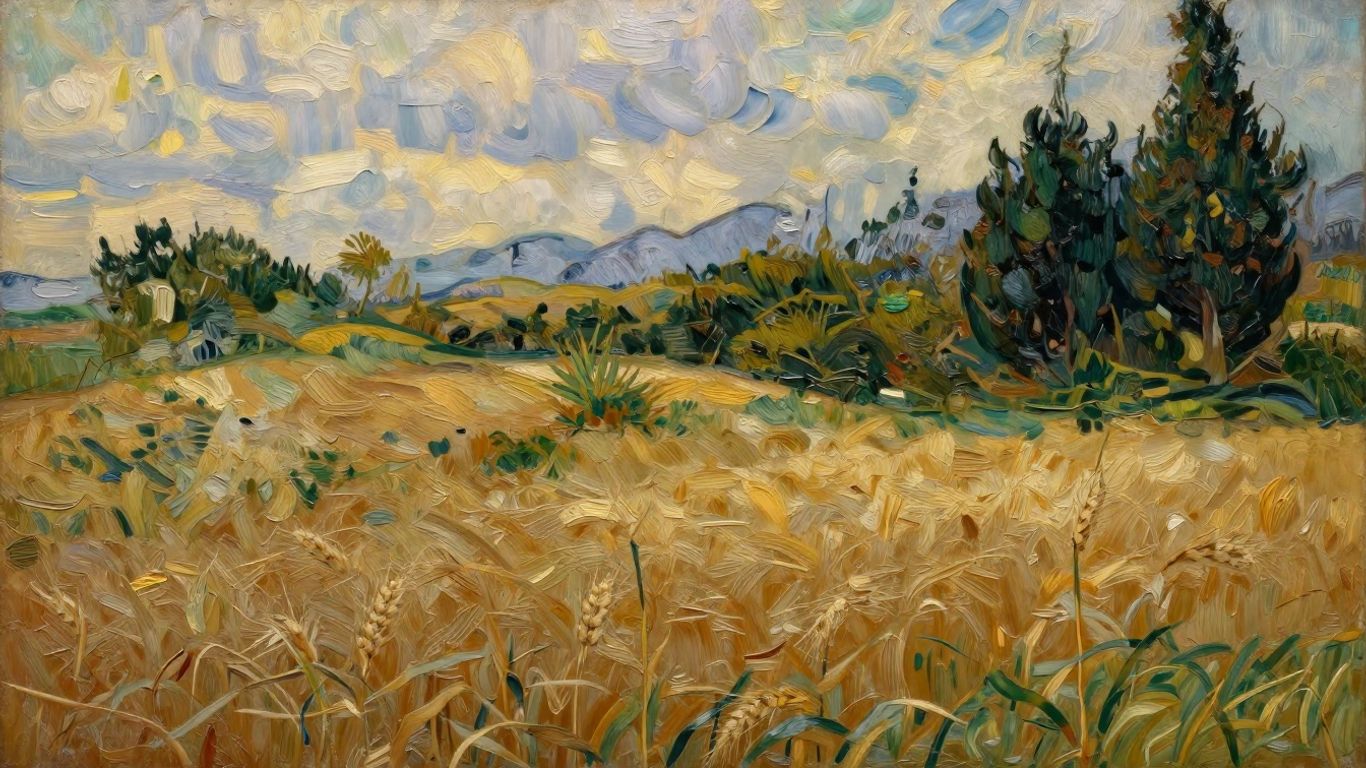
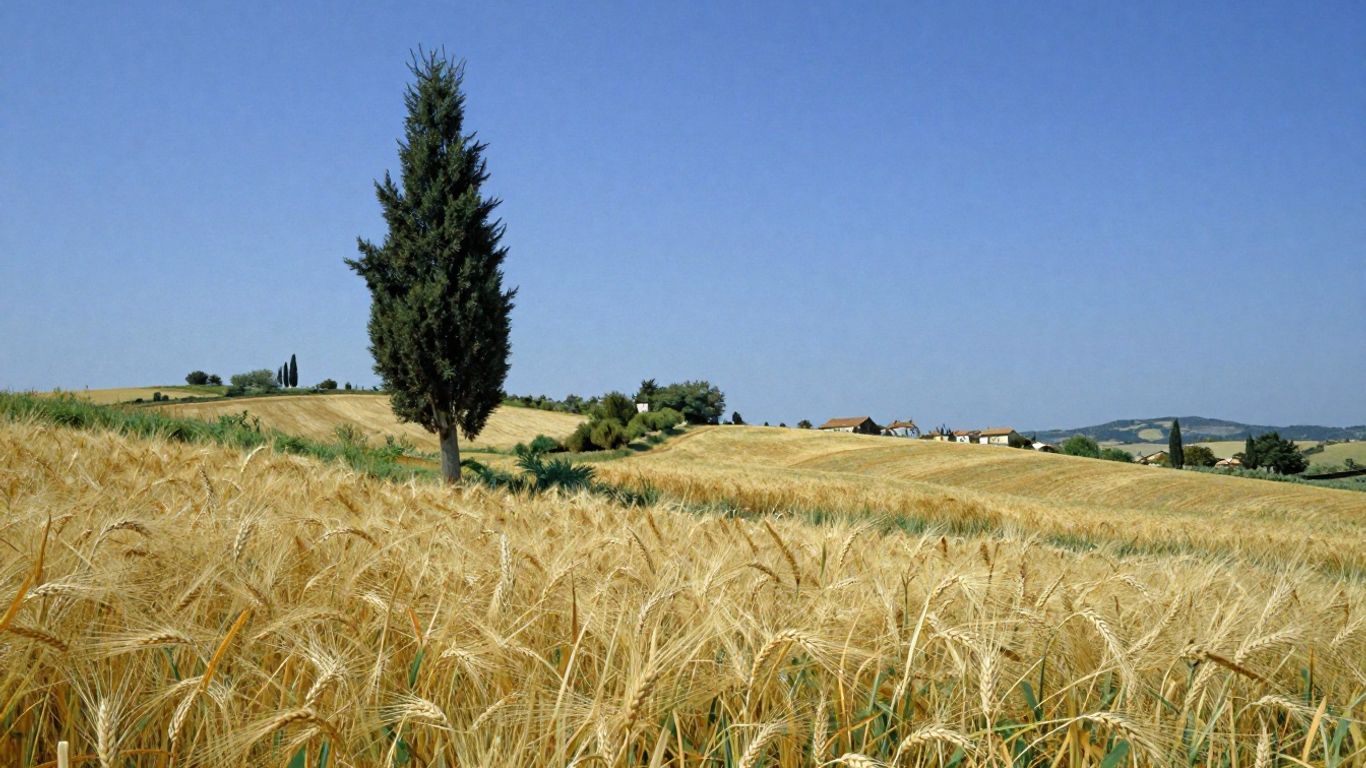
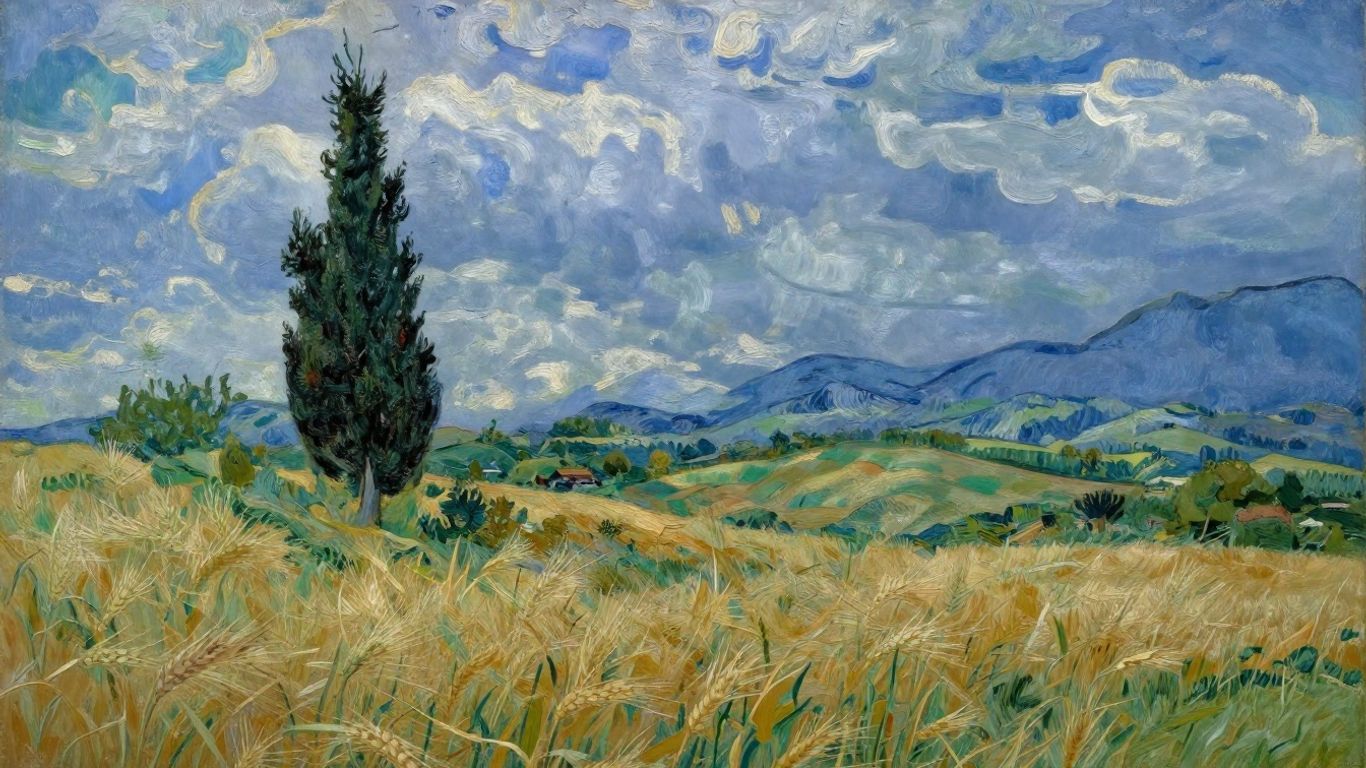
We can wander through the very wheatfields that captivated Van Gogh. These golden expanses under the vast sky were his final muse. It’s here, amidst the swaying stalks, that his art truly comes alive.
The Hidden Paths and Trails
Let’s explore the less-traveled paths, like the Sente du Montier. This narrow, rising track feels like stepping into one of his paintings. You’ll find quiet corners and unexpected views that speak of his time here. Consider taking a self-guided audio walk to truly immerse yourself in Van Gogh’s final painting.
Landscapes of Emotion and Nature
Van Gogh saw more than just scenery; he felt it. The rain-swept fields and quiet village lanes were imbued with his inner world. We can walk these same routes and feel the echoes of his passion and his struggles. It’s a journey that connects us directly to his artistic spirit.
Key Locations in Van Gogh's Auvers
Auberge Ravoux: His Final Home
We can visit the Auberge Ravoux, which was Van Gogh’s last residence. It’s a really moving place that gives us a look into his final days. You can even see Room No. 5, where he spent his last moments. It feels like stepping back in time.
The Church of Auvers
The Église Notre-Dame d’Auvers is still standing, just as Van Gogh painted it. Its weathered stone and quiet paths capture a timeless beauty. We can see the same rustic charm that he found so inspiring during his last days here. It’s amazing to stand where he stood and see what he saw The Church at Auvers.
Doctor Gachet's Influence
We should definitely walk the path Van Gogh took to see Dr. Gachet. This doctor was an artist himself and understood the artist’s struggles. He offered Van Gogh a place of calm and care during a difficult time. It’s a reminder of the support systems that existed for artists back then.
Artistic Echoes in the Village
Atelier-Daubigny's Legacy
Before Vincent arrived, Auvers was already a hub for artists. Charles-François Daubigny, a pioneer of painting outdoors, had his studio here. His work really set the stage for Impressionism. We can feel his influence all around us, a quiet foundation for what came next.
Château d’Auvers and Impressionism
The Château d’Auvers now hosts exhibitions that explore Van Gogh’s impact. It’s a great place to see how his art connects with the broader Impressionist movement. They aim to show his legacy beyond the usual stories. It’s fascinating to see how this village was a hotbed for artistic innovation beyond the common myths.
The Streets That Inspired Masterpieces
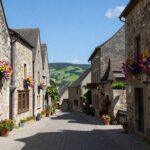
Walking through Auvers, you can practically see Van Gogh’s paintings come to life. Streets like Rue de l’Église and Rue Daubigny have a charm that feels straight out of his sketchbook. You can find yourself standing right where he stood, looking at the same houses and paths he captured on canvas. It’s like stepping back in time, seeing the village through his eyes. We can even trace the steps that led to paintings like Wheatfield with Crows shortly before his death.
A Peaceful Farewell
The Auvers-sur-Oise Cemetery
We’ve reached a quiet, reflective part of our journey. The cemetery here is a simple, peaceful place. It’s where Vincent and his brother Theo found their final rest.
It’s a place that feels both somber and serene. You can walk among the older headstones. Then, you’ll find the ivy-covered graves of the Van Gogh brothers.
Vincent and Theo's Final Resting Place
Here, Vincent and Theo lie side-by-side. Their simple gravestones are covered in ivy. It’s a quiet spot, away from the bustle of the village.
This humble graveyard is also home to other artists. They too were drawn to Auvers and its landscapes. It’s a fitting final resting place for those who found inspiration here.
We can take a moment here to reflect on Vincent’s life and his incredible art. It’s a poignant end to our exploration of Van Gogh’s final haven. Visiting this spot really brings his story home.
Until Next Time, Auvers!
So, that’s our little walk through Auvers-sur-Oise, following in Van Gogh’s footsteps. It really feels like stepping back in time, doesn’t it? We saw the fields he painted, the places he lived and worked, and even where he rests now. It’s a quiet place, but you can really feel the history and the art all around. We hope this guide helps you find your own connection to Van Gogh’s final landscapes. Maybe you’ll even find some inspiration for your own adventures. We’ll definitely be back someday.
Frequently Asked Questions
Why is Auvers-sur-Oise so important for Van Gogh?
Auvers-sur-Oise was where Vincent Van Gogh spent the last 70 days of his life. It was a really productive time for him, even though it was a difficult period. He painted a lot of amazing pictures inspired by the village and the surrounding countryside, capturing the beauty he found there.
What can we see in Auvers-sur-Oise that Van Gogh painted?
You can actually walk through the places he painted! We can visit the Auberge Ravoux, his final home, and even see his room. The church he painted, the wheat fields that inspired his famous ‘Wheatfield with Crows,’ and the paths he walked are all still here, looking much like they did back then.
Who was Doctor Gachet and why was he important?
Doctor Gachet was a doctor and an artist himself who became friends with Van Gogh. He tried to help Vincent with his health and encouraged him to paint. Van Gogh even painted a portrait of him and his house, showing how much he valued their connection.
Is it easy to get to Auvers-sur-Oise?
Yes, it’s quite convenient! It’s only about an hour away from Paris, making it a great day trip. There are even direct trains on weekends during certain times of the year, which makes exploring super simple.
What's the best time of year to visit?
We think visiting from April to October is ideal. The countryside is beautiful then, especially the golden fields, and you can enjoy the pleasant weather. Plus, the direct weekend train service is usually running during these months.
Can we visit Van Gogh's grave?
Absolutely. You can visit the peaceful cemetery in Auvers-sur-Oise where Vincent and his brother Theo are buried. Their graves are covered in ivy and are a quiet, touching place to reflect on Vincent’s life and art.